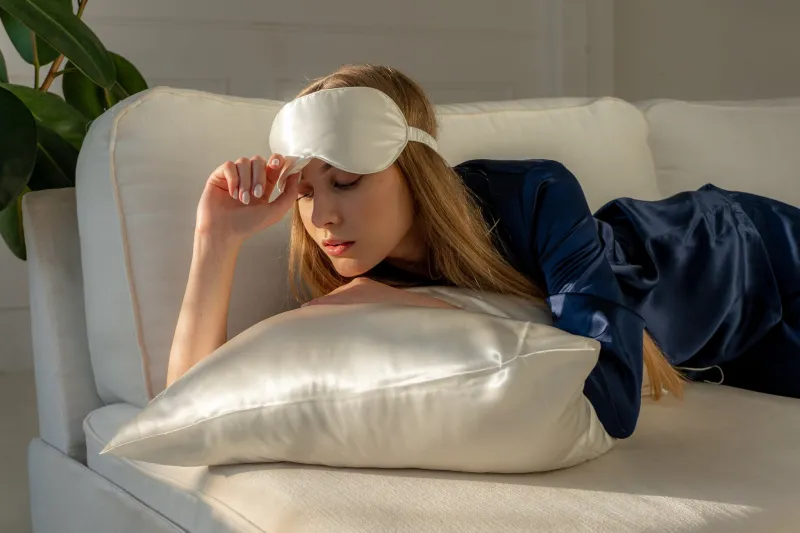
Don't Quit After Week One: What Dermatologists Actually Say About Switching to Silk
So you finally made the switch. New silk pillowcase, maybe a silk sleep mask, possibly a silk hair wrap sitting on your nightstand looking very fancy. You wake up after night one expecting to look like you've had eight hours of spa treatment. Instead, your skin looks... exactly the same. Maybe your hair is a little less frizzy, but honestly, it's hard to tell.
Here's the thing: that reaction is completely expected — and it doesn't mean silk isn't working.
Wellness upgrades rarely deliver overnight miracles, and the transition from conventional fabrics to natural silk is no exception. But the science behind why it takes time is actually pretty reassuring, once you understand what's happening beneath the surface.
Your Skin Has a Memory — And It's Stubborn
Dermatologists often describe skin as having a kind of "fabric memory." After years of sleeping on cotton or synthetic pillowcases — materials that can draw moisture away from your face and create micro-friction with every turn — your skin adapts. It compensates. Oily skin may be overproducing sebum partly in response to chronic dehydration caused by absorbent fabrics. Dry skin may have normalized a level of tightness that's actually just low-grade irritation.
"When patients switch to a lower-friction, lower-absorption surface like silk, the skin doesn't immediately recalibrate," explains the general clinical consensus among dermatologists who specialize in barrier function. "It can take several weeks for the skin's oil production, hydration levels, and surface texture to adjust to a new normal."
This is why the first week or two might feel anticlimactic. You haven't failed. Your skin is just catching up.
The Common Misconceptions That Make People Give Up Too Soon
One of the biggest reasons people abandon a silk switch prematurely is that they're measuring the wrong things, at the wrong time.
Misconception #1: "I should see a difference immediately." Skin cell turnover takes roughly 28 to 40 days in adults — longer as we age. Any meaningful change in skin texture, hydration, or clarity is going to track along that cycle, not show up the morning after you swap your pillowcase.
Misconception #2: "If my skin breaks out, silk is making it worse." Some people experience a brief period of increased breakouts in the first couple of weeks. This can actually be a purging effect — your skin adjusting to reduced friction and changed moisture dynamics — rather than a negative reaction to silk itself. Pure silk is naturally hypoallergenic and doesn't harbor bacteria the way synthetic fabrics can. If breakouts persist beyond three to four weeks, that's worth a conversation with your dermatologist, but early fluctuations are often part of the recalibration process.
Misconception #3: "Silk is just marketing — fabric is fabric." This one's worth addressing directly, because skepticism is healthy. Silk's benefits aren't invented by wellness brands. The fabric's naturally smooth protein structure (fibroin) genuinely does reduce surface friction compared to woven cotton or synthetic blends. Its moisture-wicking properties are different from cotton's — silk manages moisture without stripping it, which matters enormously for both skin and hair health. The science here is real, even if it's not always communicated clearly.
A Realistic Timeline for What to Expect
Think of this less like a product launch and more like starting a new skincare routine. Patience is part of the protocol.
Days 1–7: The Novelty Phase You'll probably notice that your hair has less mechanical breakage in the morning — this is one of silk's most immediate, tangible effects, since the reduction in friction is physical and instant. Skin changes, though, will be subtle at best. Focus on consistency rather than results.
Weeks 2–3: The Adjustment Window This is the phase where some people experience mild skin fluctuations. Stick with it. Your skin's oil regulation is starting to recalibrate. You might notice your morning skin feels less tight or less congested than it did before — small signals that things are shifting.
Weeks 4–6: The Visible Shift This is typically when people start to notice real differences — smoother skin texture, reduced sleep creases in the morning, hair that feels less dry and brittle at the ends. If you've been using silk consistently through this window, you're now seeing the cumulative effect of reduced friction and better moisture balance, night after night.
Beyond 6 Weeks: The New Baseline By this point, most people who've stayed consistent report that going back to conventional fabrics feels noticeably uncomfortable — not just aesthetically, but physically. That's your skin and hair telling you they've adapted to something better.
How to Set Yourself Up for the Best Results
The transition works best when you're not fighting it with conflicting habits.
Keep your skincare routine stable. If you're switching pillowcases and introducing three new serums at the same time, you won't know what's doing what. Make one change at a time so you can actually attribute results.
Wash your silk properly. This sounds obvious, but it matters. Silk should be washed gently, typically in cool water with a mild detergent, and air-dried. Residue from harsh detergents on your pillowcase will end up on your skin all night — undermining everything you're trying to accomplish.
Start with sleep. If you're new to silk-based personal care, the pillowcase is the highest-contact, highest-impact starting point. You're pressing your face against it for seven or eight hours every night. That's a lot of cumulative exposure — for better or worse.
Be honest about your expectations. Silk isn't a treatment product. It's an environmental upgrade — a way of removing a source of chronic low-grade stress from your skin and hair. That kind of benefit is real, but it shows up as a gradual improvement rather than a dramatic transformation.
The Honest Truth About Wellness Transitions
At Sylk USA, we'd rather give you a realistic picture than oversell you on overnight miracles. The switch to natural silk-based products is one of the more evidence-backed personal care changes you can make — but it's a long game, not a quick fix.
Dermatologists who recommend silk-based sleep products do so because the cumulative, nightly reduction in friction and moisture disruption adds up to something meaningful over time. Not because one night of silk is going to change your life.
Give it six weeks. Be consistent. And try not to judge week one by the same standard you'd judge week six. Your skin — and your hair — will thank you for the patience.