I Tried to Talk Myself Out of Buying Silk. Here's Where I Finally Had to Admit It Was Worth It.
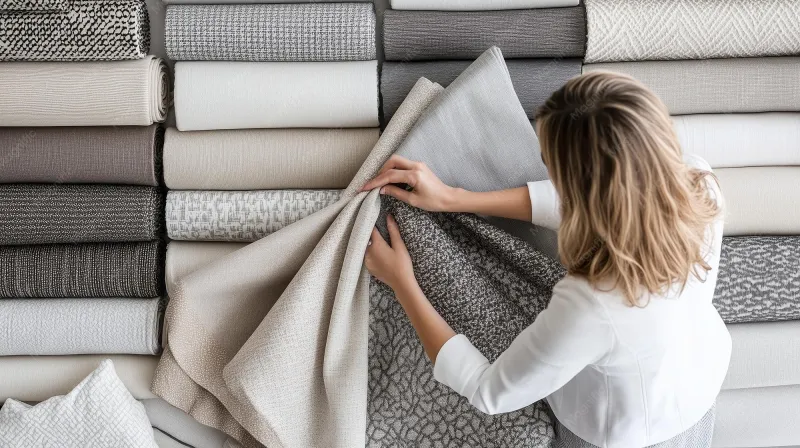
Photo: woman comparing fabric swatches silk cotton natural textiles minimalist lifestyle, via img.freepik.com
Let me be upfront: I am not a person who buys things easily. I comparison-shop grocery store olive oil. I have a spreadsheet for mattress research. So when the wellness internet started collectively losing its mind over silk pillowcases and silk sleep masks and silk everything, my first instinct was to be annoyed about it.
Silk felt like a premium upsell dressed up in science-adjacent language. Another thing the wellness industry decided we needed, priced just high enough to feel exclusive. I pushed back on it for a long time.
And then I actually started paying attention to the research. And testing things. And now I'm writing this piece, which should tell you something.
But here's the thing — I'm not going to pretend silk is a miracle fabric that justifies every price point in every context. It isn't. There are real situations where silk is genuinely worth the investment, and there are situations where you're basically paying for the vibe. Knowing the difference is the whole game.
The Case Against Silk (Let's Get It Out of the Way)
Before I tell you where silk wins, let's be honest about its limitations, because any brand that refuses to acknowledge them is selling you something.
It's expensive. A quality silk pillowcase typically runs $50–$150. A silk sleep set can push $200 or more. For a lot of American households, that's a real financial consideration, not a rounding error.
It requires care. Silk doesn't survive a hot-water machine wash. It needs hand washing or a delicate cold cycle, line drying, and careful storage away from direct sunlight. If your laundry routine involves throwing everything in together on hot and calling it done, silk is going to be a source of stress, not wellness.
It's not the answer to every skin problem. Switching to a silk pillowcase will not cure your acne. It won't erase fine lines. It won't replace a solid skincare routine or adequate sleep. Anyone telling you otherwise is overselling it.
Not all silk is created equal. The market is flooded with "silk" products that are actually satin (a weave, not a fiber — often made from polyester) or low-grade mulberry silk with a thread count that doesn't justify the cost. Buying cheap silk is often worse than buying quality cotton.
Okay. Now that we've established I'm not here to gaslight you, let's talk about where silk actually delivers.
Where Silk Genuinely Outperforms Everything Else
For Sleep — This Is the Non-Negotiable
If there's one use case where the research is solid and the real-world payoff is consistent, it's sleep. The average American spends roughly 2,500 hours a year with their face pressed against a pillowcase. That's not a small variable.
Cotton pillowcases — even high thread count ones — create friction that tugs at skin and snags hair cuticles throughout the night. Over time, that mechanical stress contributes to sleep creases, hair breakage, and moisture disruption. Silk's smooth surface dramatically reduces that friction, which is why dermatologists and hair specialists have been recommending it for years for people managing eczema, fine hair, or post-treatment skin.
This is where the investment math actually works. A $75 silk pillowcase that lasts three or four years with proper care costs less per night than most skincare serums — and it's working on your skin for eight hours straight.
For Sensitive Skin and Inflammatory Conditions
If you're managing a chronic skin condition — eczema, rosacea, psoriasis, or post-procedure sensitivity — the fabric touching your skin isn't a luxury consideration, it's a functional one. Silk's protein structure is uniquely compatible with skin's own chemistry, which is why clinical research (including a notable British study on pediatric eczema) has found measurable reductions in flare severity with silk garments versus cotton.
For this population, silk isn't a splurge. It's closer to a medical-adjacent tool, and it should be evaluated that way.
For Travel
This is an underrated one. A lightweight silk sleep mask, a silk travel pillow cover, or a packable silk liner for hotel beds takes up almost no space and weighs almost nothing — but it means you're not sleeping on whatever fabric has been through the hotel laundry system. For frequent travelers, especially those with sensitive skin or allergies, this is a genuinely practical investment that costs less than a single night at most hotels.
For Athletic Recovery
Post-workout recovery wear is an emerging use case that doesn't get enough attention. After intense exercise, your skin is inflamed, your pores are open, and your body is regulating temperature. Silk's thermoregulation properties and low-friction surface make it an unusually good material for that recovery window — supporting your body's return to baseline without trapping heat or irritating sensitized skin.
This isn't a mainstream use case yet, but athletes managing skin conditions or those in high-frequency training cycles are starting to pay attention to it.
Where You Can Probably Skip It
Silk workout clothes for high-intensity training? Unless you're doing very low-impact movement, the care requirements and durability limitations make technical fabrics a smarter call. Silk for everyday casualwear when you don't have specific skin sensitivities? Honestly, quality linen or organic cotton will serve you just as well at a fraction of the price. Silk for young kids outside of specific medical recommendations? The maintenance alone makes it impractical.
How to Buy Silk Without Getting Burned
If you've decided to try it, a few things to know:
- Look for momme weight, not just thread count. For pillowcases, 19–25 momme is the sweet spot. Below 12 and you're basically buying tissue paper.
- Mulberry silk is the standard for quality. It's produced by silkworms fed exclusively on mulberry leaves and is the most consistent in texture and durability.
- Check for OEKO-TEX certification, which ensures the fabric has been tested for harmful substances — important for anything touching your skin for hours at a time.
- Start with one piece. A single pillowcase is a low-risk entry point. If you notice a difference in your skin or hair within a few weeks, you'll have real data to inform the next decision.
The Bottom Line
Silk isn't magic. It's a material with specific, well-documented properties that make it genuinely superior in specific, well-defined contexts. The wellness industry has overclaimed on its behalf, which has understandably made skeptics of a lot of smart consumers.
But the skeptics have sometimes thrown the baby out with the bathwater. When you match the right material to the right use case — sleep, sensitive skin management, travel, recovery — silk's performance advantage over alternatives is real, measurable, and, over time, worth the price of admission.
Buy less of it, buy it better, and use it where it actually counts. That's not a luxury philosophy. That's just being a thoughtful consumer.