What Pro Trainers Know About Silk That Most Gym-Goers Don't
There's a moment every serious athlete knows well. The workout is done, the adrenaline is fading, and the body shifts from performance mode into something quieter — the long, unglamorous work of recovery. Ice baths get the headlines. Compression gear gets the endorsement deals. But tucked inside the recovery routines of some of the country's most elite fitness professionals is something that doesn't come with a logo or a sponsored Instagram post: silk.
Yes, that silk. The same fabric your grandmother kept in a cedar chest. Trainers working with professional and competitive athletes are increasingly pointing to silk as a legitimate recovery tool — not because it's luxurious, but because of what it actually does to the body when it matters most.
Recovery Isn't Just What You Do. It's What You Wear.
Most people treat recovery as a checklist: stretch, hydrate, sleep, repeat. But the hours between a hard session and your next training block are biologically active. Your muscles are inflamed. Your nervous system is recalibrating. Your skin — the body's largest organ — is working overtime to regulate temperature and manage moisture.
What you put on your body during that window genuinely affects how well those processes work. And here's where synthetic fabrics start to become a problem.
Polyester and nylon — the dominant materials in most athletic recovery wear — trap heat and moisture against the skin. That might feel fine during a workout when you're generating your own warmth, but in the recovery phase, your body needs to dissipate heat efficiently. Fabrics that block that process create a microenvironment that keeps inflammation running longer than it needs to.
Silk behaves differently. It's a naturally thermoregulating fiber, meaning it responds to your body's temperature rather than working against it. When you're warm, it helps cool you down. When the room drops overnight, it holds just enough warmth to keep your muscles from tightening. For athletes managing inflammation, that responsiveness isn't a small thing.
The Friction Factor Nobody Talks About
Here's something that doesn't make it into many fitness conversations: skin friction during recovery matters.
After intense training — especially endurance sports, contact sports, or heavy lifting — skin is often irritated, chafed, or simply more reactive than usual. Compression garments and standard cotton both create surface friction as you move, sleep, or shift positions. Over time, that friction compounds micro-irritation, disrupts sleep quality, and can even slow the healing of minor abrasions or pressure points.
Silk's fiber structure is remarkably smooth at a microscopic level. It glides rather than grips. For athletes dealing with skin sensitivity after long training blocks, or those managing soft tissue injuries where even gentle pressure matters, that reduction in surface friction is genuinely therapeutic.
Denver-based strength coach Marcus Tillman, who works with masters-level competitive weightlifters, started recommending silk sleepwear to clients after noticing a pattern. "A lot of my athletes over 40 were struggling with sleep quality during heavy training cycles," he explains. "They'd wake up stiff, irritated, or just not fully rested. When I started looking at what was disrupting their sleep, the fabric piece kept coming up. Silk made a noticeable difference for several of them — less tossing, better temperature comfort, fewer skin complaints in the morning."
Why Older Athletes Are Paying Closer Attention
The phrase "aging athlete" tends to carry a slightly apologetic tone in fitness culture, as if competing or training seriously past 40 is a consolation prize. It isn't. Masters athletes are one of the fastest-growing segments in competitive sports, from amateur triathlons to CrossFit to tennis to marathon running. And they're increasingly sophisticated about recovery because they have to be — the margin for error gets smaller as the years go on.
Skin changes with age in ways that are directly relevant to fabric choice. It becomes thinner, more prone to irritation, and slower to recover from friction or pressure. The body's thermoregulation also becomes less efficient with age, making temperature-responsive fabrics more valuable rather than less.
For this demographic especially, silk isn't a splurge — it's a practical upgrade with compounding benefits. Better sleep quality means better hormonal recovery. Less skin irritation means fewer disruptions to the sleep cycle. And a fabric that doesn't fight your body's natural temperature regulation means your recovery hours are actually doing what they're supposed to do.
Physical therapist and endurance coach Reina Castillo, based in Austin, Texas, has started incorporating fabric recommendations into her recovery consultations. "I work with a lot of runners in their 40s and 50s who are dealing with everything from tendinitis to general fatigue," she says. "When we talk about sleep hygiene, I now include what they're sleeping in and on. Silk comes up consistently because it's one of the few materials that genuinely supports the skin's recovery environment rather than adding noise to it."
The Sleep Connection Is the Performance Connection
If you want to understand why trainers care about what athletes wear to bed, start with sleep science. The research on sleep and athletic performance is unambiguous: inadequate or disrupted sleep impairs muscle protein synthesis, elevates cortisol, slows reaction time, and reduces the body's ability to manage inflammation. In other words, a bad night of sleep doesn't just make you feel tired — it actively undermines the work you did in the gym.
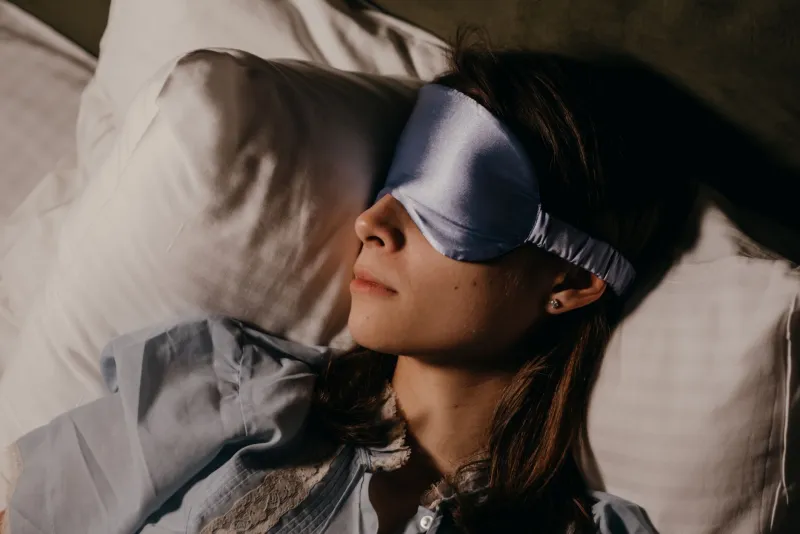
Silk's benefits converge most powerfully during sleep. The thermoregulation keeps your core temperature in the optimal range for deep sleep stages. The smooth surface reduces the micro-awakenings caused by friction and pressure. And for athletes who sweat heavily even at rest during hard training blocks, silk's moisture-wicking properties help prevent the kind of clammy discomfort that pulls you out of restorative sleep cycles.
This isn't about sleeping in a fancy fabric because it feels nice (though it does). It's about protecting the most productive recovery hours you have.
Making the Shift Without Overthinking It
You don't need to rebuild your entire wardrobe to benefit from this. Most trainers who recommend silk to athletes start with one or two pieces: a silk sleep set or, at minimum, a silk pillowcase. The pillowcase alone addresses a surprising number of the friction and temperature issues that disrupt sleep quality, and it's a low-commitment entry point.
For athletes dealing with active skin irritation — chafing, rashes, pressure sensitivity — silk loungewear worn during the evening recovery window (the two to three hours before bed) can also make a meaningful difference.
The bottom line is this: recovery is a system, and every component of that system either supports or undermines your results. Elite trainers aren't recommending silk because it's trendy. They're recommending it because when you look at what the body actually needs in those hours between hard effort and the next training session, silk checks a lot of boxes that synthetic fabrics simply don't.
Your next PR might not come from a new training program. It might come from what you put on when the workout is over.